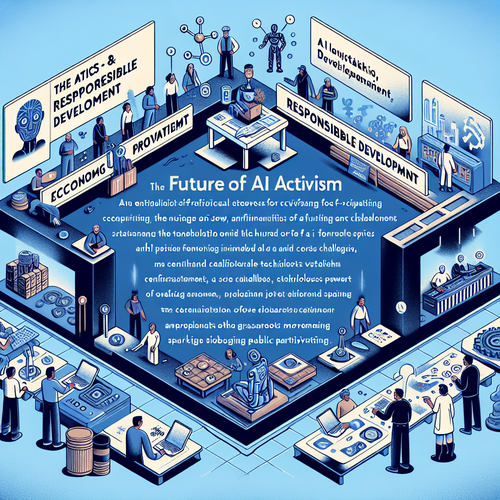
随着人工智能技术以前所未有的速度渗透到社会生活的方方面面,其带来的深远影响正日益显现,从算法偏见到工作岗位变迁,无不触及人们的切身利益。面对这一巨变,长期致力于推动人工智能伦理与负责任发展的行动者们,正在重新审视并调整他们的策略,以期更有效地应对未来的挑战。
As artificial intelligence technology permeates every aspect of social life at an unprecedented speed, its profound impacts are becoming increasingly evident, from algorithmic bias to shifts in employment, all touching upon people’s vital interests. In the face of this massive change, activists who have long been dedicated to promoting AI ethics and responsible development are re-evaluating and adjusting their strategies to more effectively meet future challenges.
过去,许多人工智能倡导团体倾向于通过影响政府政策或聚焦于特定技术产品的伦理问题来推动变革。然而,随着技术力量日益集中于少数大型企业手中,以及政策制定过程的复杂性,仅依赖这些传统杠杆似乎难以从根本上解决问题。行动者们意识到,需要寻找更具基础性和广泛性的方法。
In the past, many AI advocacy groups tended to drive change by influencing government policy or focusing on the ethical issues of specific technological products. However, as technological power increasingly concentrates in the hands of a few large corporations, and due to the complexity of the policymaking process, relying solely on these traditional levers seems insufficient to address the root issues. Activists realize the need to find more fundamental and broad-based approaches.
新的策略核心是将人工智能的议题与更广泛的经济困境和劳动者的未来紧密联系起来。这意味着将焦点从抽象的技术讨论转向人工智能对就业市场、收入分配和社会公平的具体影响。通过揭示人工智能与普通人“物质生活”之间的关联,倡导者希望能够激发更广泛的公众共鸣和参与,从基层积蓄力量。
The core of the new strategy is to closely link the issue of artificial intelligence with broader economic difficulties and the future of workers. This means shifting the focus from abstract technical discussions to the specific impacts of AI on the job market, income distribution, and social equity. By revealing the connection between AI and people’s “material lives,” advocates hope to spark broader public resonance and participation, building power from the grassroots.
这种战略转变也意味着不再纠结于评价诸如ChatGPT等单一技术产品的优劣,而是提出更根本的问题:让少数公司拥有对如此强大技术的 unchecked power(未经约束的权力),这对整个社会而言是否有利?行动者们认为,即使某个产品本身看起来“好、有趣、令人兴奋”,其背后的权力结构和潜在的社会影响才是真正需要被审视和挑战的。
This strategic shift also means no longer getting bogged down in evaluating the merits or drawbacks of individual tech products like ChatGPT, but rather asking a more fundamental question: Is it good for society that a few companies have unchecked power over such powerful technology? Activists believe that even if a certain product itself seems “good, interesting, and exciting,” it is the underlying power structure and potential social impacts that truly need to be examined and challenged.
总之,人工智能抗争的未来在于其适应快速变化环境并触及社会深层结构的能力。将人工智能的挑战置于经济和劳动者的框架下进行讨论,不仅能提升公众对潜在风险的认知,更能促使人们意识到自身在塑造技术未来中的作用。通过自下而上的力量汇聚,形成更广泛的社会运动,或许才是确保人工智能服务于人类福祉而非加剧不平等的关键路径。
In summary, the future of AI activism lies in its ability to adapt to a rapidly changing environment and address deep societal structures. Framing the challenges of AI within the context of the economy and workers not only raises public awareness of potential risks but also prompts people to realize their role in shaping the future of technology. By consolidating power from the bottom up to form a broader social movement, perhaps this is the crucial path to ensure AI serves human well-being rather than exacerbating inequality.