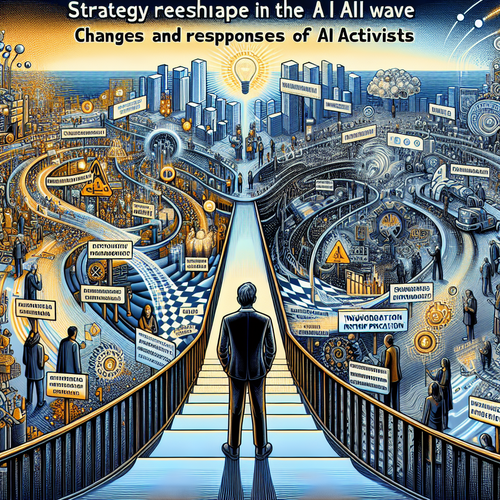
随着人工智能以前所未有的速度渗透到社会各个层面,曾经的AI行动者们发现自己正站在一个快速变化的十字路口。技术的飞速发展、商业模式的迭代以及日益复杂的社会影响,都迫使他们不得不重新审视并调整原有的策略和关注点。这场变局不仅仅是技术层面的进步,更是伦理、政治和经济力量交织下的深刻转型。
As artificial intelligence penetrates all levels of society at an unprecedented pace, former AI activists find themselves standing at a rapidly changing crossroads. The rapid development of technology, the iteration of business models, and the increasingly complex social impacts are forcing them to re-examine and adjust their original strategies and focus areas. This transformation is not just technological progress, but a profound shift intertwined with ethical, political, and economic forces.
过去,AI行动者们可能更侧重于对潜在风险的预警、算法偏见的揭示或对通用人工智能伦理的探讨。然而,随着AI应用从实验室走向大规模商用,特别是大型语言模型和AI代理的出现,以及围绕数据中心等基础设施的政治博弈加剧,行动者们需要面对更为具体和紧迫的问题,例如劳动力市场的冲击、监控风险的加剧以及技术权力的高度集中。
In the past, AI activists might have focused more on warning about potential risks, revealing algorithmic biases, or discussing the ethics of artificial general intelligence. However, as AI applications move from the lab to large-scale commercial use, especially with the advent of large language models and AI agents, and with intensified political struggles around infrastructure like data centers, activists need to confront more specific and pressing issues, such as the impact on the labor market, increased surveillance risks, and the high concentration of technological power.
面对这样的新常态,简单的抗议或伦理呼吁可能不再足够。新的策略需要更具针对性和实践性,例如推动具体的监管法规出台、参与到技术设计和部署的早期阶段、建立跨学科的合作联盟,甚至探索利用AI技术本身来促进公平和透明。AI行动者们正在从“批判者”向“建设者”转型,试图在技术发展中争取更积极主动的角色。
Facing this new normal, simple protests or ethical appeals may no longer be sufficient. New strategies need to be more targeted and practical, such as promoting specific regulatory frameworks, participating in the early stages of technology design and deployment, building interdisciplinary collaborative alliances, and even exploring the use of AI technology itself to promote fairness and transparency. AI activists are transitioning from “critics” to “builders,” attempting to secure a more proactive role in technological development.
当然,这一转型充满了挑战。如何在快速变化的技术面前保持批判性视角?如何在复杂的政治和商业环境中有效发声?如何在推动创新与防范风险之间找到平衡?这些都是AI行动者们需要深入思考和实践的问题。他们的努力,将在很大程度上塑造人工智能发展的未来方向。
Of course, this transition is full of challenges. How to maintain a critical perspective in the face of rapidly changing technology? How to effectively voice concerns in a complex political and business environment? How to find a balance between promoting innovation and preventing risks? These are questions that AI activists need to deeply consider and practice. Their efforts will, to a large extent, shape the future direction of artificial intelligence development.